

Modern Mobility Solutions
Discover how innovative technologies are transforming mobility. From electric vehicles to personalised services, these innovations are changing the way we travel.
Learn how optimizing transportation systems will result in to a more efficient system which will result in less congestion and more sustainable urban development. Our EMQX platform is perfect for real-time data transmission across these systems as it is highly scalable and designed to accommodate many devices simultaneously.
Electric Mobility
Electric mobility is the use of electric power to power vehicles, including electric bikes and cars. This technology reduces carbon emissions and air pollution, as well as offering consumers the most secure and convenient method of travel. However, the transition to e-mobility isn't without its challenges. These challenges include minimizing energy costs, minimizing range anxiety, and ensuring a robust infrastructure for charging.
In order to address these issues, solutions are emerging around the world that encourage e-mobility and reduce environmental impact. These solutions include leveraging methods for swapping batteries, advancing battery technology to increase the range and speed of charging, and increasing the number of charging stations. Tax credits and subsidies can be utilized by governments to encourage people to buy EVs.
The increasing demand from customers for sustainable transportation options has led to a boom of innovation focused on improving sustainability. This includes mobility-as-a-service, smart parking and traffic management systems, shared electric mobility, and even high-speed electric vertical take-off and landing (eVTOL) taxis.
E-mobility plays an important role in a bigger picture of the future. It reduces emissions, and it improves the mobility of urban dwellers. However, it requires a major change in the transportation system, as well as a new sustainable energy model to fully benefit society.
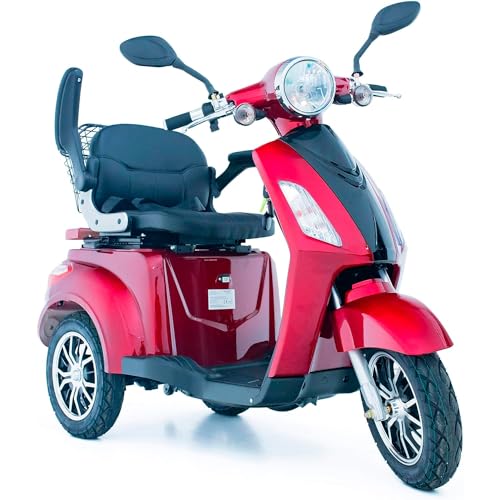
Therefore it is crucial to be aware of the potential risks and impacts associated with every aspect of this new revolution. This is why it is important to consider the impact on the environment, economy, and the entire society. There are all terrain electric mobility scooter that can be used to evaluate the impact of technological advances. These include life cycle assessment techniques.
Using these tools can help businesses make informed decisions on the best methods to invest in e-mobility. By integrating multiple solutions into their business companies can reap the benefits of e-mobility. This will create a sustainable future for our planet. TUV SUD, with over a century of expertise in safety engineering for automobiles, can offer comprehensive assistance to companies on their journey into eMobility. From the earliest blueprints to market commercialization We're the one-stop facilitator to ensure the safety of electric mobility technology.
Connectivity
In a time where customer experience is the new standard of service, seamless integration will be crucial to develop a reliable mobility solution. Find out how the deployment of connected vehicles and connecting them to an intelligent system can enhance the way your business operates.
The emergence of shared mobility services is changing the way people travel. These innovative urban transportation methods provide alternatives to cars and are a promising option to reduce carbon emissions and congestion in cities.
They face many challenges becoming a viable alternative for personal vehicle ownership. They include the need for an adequate transportation infrastructure and the necessity of making fares affordable and the implementation of the equity principle that calls for equal access to mobility solutions for all sections of the society.
Despite these limitations, shared mobility services have been growing fast. A lot of these solutions rely on data and algorithms that are smart that allow travelers to select and pay for multiple transportation options through a single app. They also provide real-time updates as well as personalised services making them more convenient to use than traditional methods of transportation.
One of the key reasons for the rapid growth in this sector is the increasing availability of affordable electric vehicles and charging stations. As a result, more and more people are switching to these clean and efficient methods of transport. And they're being joined by cities and towns, which are investing in sustainable, green transportation infrastructure to encourage cycling, walking, public transit, and sharing vehicles as alternatives to automobiles.
Another factor driving the shift towards sustainable commuting is micromobility. These light vehicles - usually electric-powered scooters and bikes are being integrated into urban transport networks, offering an alternative for first/last mile commuters and reducing the need for private car ownership.
Public-private partnerships are essential to overcome these challenges and ensure the viability of micromobility over the long term. This is particularly crucial for solutions to urban mobility that require a significant investment and have to be adapted to local conditions. This model is demonstrated by MaaS platforms (mobility as a service) which were developed by a consortium of urban transport operators as well as technology companies.
Sustainability
Modern mobility solutions are increasingly focused on sustainability as consumers and governments are seeking sustainable transport options. Find out how seamless integration of transportation modes, real-time information and personalised services can enhance the commuting experience and help reduce environmental impact.
The emissions from fossil fuels are one of the major contributors to climate change. They also cause pollution in the central city areas congestion, as well as public health issues and other health issues. Through the promotion of sustainable methods of mobility, such as cycling and walking, individuals will benefit from greater efficiency in their travel and better quality of life.
Shared vehicles are another way to encourage sustainable mobility. They generate more revenue through passengers fees than they are costing to operate. They are therefore less likely to require taxpayer funding as compared to traditional public transportation.
The pursuit of sustainable mobility however, requires a comprehensive approach that goes beyond the reduction of car traffic and improving existing infrastructures. It requires the promotion of sustainable transportation alternatives and the redesign of urban areas to free it from the influence of private vehicles.
Smart mobility measures can increase the appeal of urban areas and make them more accessible through encouraging a shift to walking and cycling. They can also improve conditions for public transportation, biking, and telecommuting. They could also include strategies to increase the perceived value of motorized vehicles as well as encourage the shift to active and public transport.
The implementation of congestion fees for example, for example, entices drivers to think about alternatives other than their vehicle. Optimising traffic flow with intelligent road systems can also increase vehicle efficiency and security. And the use of IoT technology allows vehicles and infrastructure to communicate, which allows for the monitoring of driving behavior in real time and detecting congestion sources. The data is used to modify the traffic management system in accordance with these data, reducing congestion and improving the overall performance of transportation systems. This leads to a higher quality life for all, with less noise pollution.
Enterprise Mobility
Enterprise mobility is the capability for employees to work anywhere using a variety devices. This includes mobile devices, cloud storage, and applications that allow employees to access data and communicate with colleagues from any location. Enterprise mobility solutions can help streamline communications and enable more efficient decision-making. They can also eliminate paperwork and decrease the requirement for storage space. Employees could, for instance, upload a presentation to cloud-based storage services from their desktop PC, and then access it on an mobile device to present it to clients.
Modern mobility is always evolving to meet the needs of consumers and business. The increasing concern over sustainability is driving demand for eco-friendly transport options. This can be achieved through a variety of innovative solutions. These include telematics solutions that allow vehicles and infrastructure to connect with each other, improving traffic flow and reducing congestion. In addition, these systems can integrate various transportation modes to provide a seamless and personalized travel experience.
Mobility solutions should be designed to improve the experience of guests and customers. For instance, a hotel could benefit from equipping its staff with mobile devices that allow them to easily and quickly access guest information. This will allow them to serve their guests more effectively and, in turn, improve customer satisfaction and loyalty. In the same way healthcare professionals can provide better care to patients by providing them with the tools needed to work remotely.
To make these features work companies must invest in enterprise mobility management (EMM). This includes software and devices that monitor the security of business-owned and personal devices, which protect sensitive information from cyber attacks and ensure a good user experience. It also helps companies avoid the expense of replacing or repairing lost or damaged devices. EMM can also help support BYOD initiatives by enabling employees to use their personal devices for business purposes. However, it is crucial to have a strong acceptable use policy before implementing EMM. This will help establish clear expectations about employees' behavior and help reduce the risk to the security of data for the company.